The Best Wines to Age: Bottles Worth Waiting For
Published: January 24, 2026
Some wines are made to be enjoyed immediately, while others are worth holding onto for a few years or even a decade. Aging wine is not about showing off a collection, it is about letting flavors develop, textures soften, and aromas unfold in ways a fresh bottle cannot deliver. The right bottle in the right cellar can transform into a richer, more complex experience that makes the wait completely worthwhile.
From bold reds with strong structure to crisp whites that gain layers of honeyed charm, certain wines practically beg to be tucked away. This guide explores the red and white wines that reward patience, explains why they age so well, and shows what makes these bottles truly worth saving for later.
Why Some Wines Age Better Than Others
Not every bottle of wine gets better with time. In fact, most wines are meant to be enjoyed young and fresh. So what makes some bottles worth waiting for? A few key factors determine whether a wine can gracefully grow older in your cellar or start fading as soon as it leaves the winery.
- Tannins and Structure: Red wines with firm tannins act like natural preservatives. These compounds, often found in Cabernet Sauvignon, Nebbiolo, and Syrah, help wines develop complexity over years, softening the bite while allowing flavors to layer and evolve.
- Acidity in Whites: Acid is the backbone of aging for white wines. High-acid whites like Riesling and Chardonnay can gain depth, richness, and intriguing aromas over time. The acidity keeps the wine fresh even as its flavors mature.
- Sugar and Alcohol: Sweetness and higher alcohol levels can also help a wine age gracefully. Dessert wines and fortified wines often improve for decades, with sugar acting as a stabilizer and alcohol supporting the development of new, nuanced flavors.
- Storage Matters: Even the most age-worthy wine can turn sour if stored incorrectly. Temperature, humidity, and light exposure all play a role. Keep your wines in a cool, dark place with stable conditions to ensure they evolve exactly as they should.
The Best Red Wines for Aging
Not all reds are created equal when it comes to aging. Some are meant to be drunk young and fruity, while others develop incredible complexity if you give them a few years in the cellar. Here are the top red wines that are worth holding onto and what makes them special.
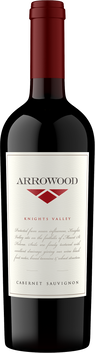
Cabernet Sauvignon
Cabernet Sauvignon is the poster child for age-worthy red wine. Its bold tannins, high acidity, and concentrated dark fruit flavors give it the structure to evolve beautifully over a decade or more. Young Cabernets can taste a bit tight or grippy, but time in the cellar softens those tannins while revealing layers of complexity that are impossible to get from a fresh bottle.
Where It Shines: Napa Valley, Sonoma, Bordeaux, Coonawarra in Australia, and parts of Chile produce some of the most age-worthy examples. Old-world Bordeaux tends to be more restrained and structured, while New World Cabs are often riper, more fruit-forward, but still built for aging.
What Happens with Age: As the wine matures, blackcurrant and blackberry notes evolve into dark chocolate, cedar, tobacco, and sometimes hints of graphite or leather. Secondary aromas, like earthy forest floor or dried herbs, begin to emerge, adding depth. Oak influence integrates more seamlessly, making the wine feel silky and balanced.
Aging Timeline: Premium Cabs can easily age 10 to 20 years, with the very best from top vintages often lasting 25 years or more.
Fun Fact: Cabernet Sauvignon is often blended with Merlot, Cabernet Franc, or Petit Verdot in Bordeaux-style blends, which can add even more aging potential and complexity.


Pinot Noir
Pinot Noir is the delicate diva of red wines, known for its elegance, nuance, and surprising depth. Unlike powerhouse reds such as Cabernet Sauvignon, Pinot Noir is lighter in body and lower in tannins, but the right bottle can age beautifully and reveal layers of flavor that are simply mesmerizing.
Where It Shines: Burgundy is the gold standard, producing age-worthy Pinots that can evolve for decades. Oregon, Sonoma, and cooler regions of New Zealand also produce Pinots that reward patience. Cool climates help preserve acidity, giving the wine structure for long-term aging.
What Happens with Age: Young Pinot Noir often bursts with bright cherry, raspberry, and strawberry flavors. As it matures, these fruits evolve into more complex notes of dried cherry, forest floor, mushroom, and subtle spice. Aromas of leather, smoke, and earthy underbrush often appear, creating a multidimensional tasting experience. Texture becomes silkier, with tannins softening but never disappearing, giving each sip a refined balance of delicacy and depth.
Aging Timeline: A top Burgundy or Oregon Pinot Noir can develop beautifully over 10 to 20 years. Lighter, fruitier Pinots are best enjoyed sooner, but wines with strong structure and balance will surprise you with their longevity.
Fun Fact: Pinot Noir is notoriously tricky to grow, making age-worthy examples rare and often highly prized. This is why a bottle from a great vintage can feel like a hidden treasure once it hits peak maturity.


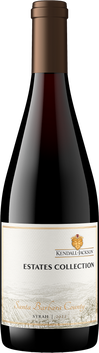
Syrah/Shiraz
Syrah, known as Shiraz in Australia, is a bold, spicy red that ages like a dream. It has the structure, tannins, and concentrated fruit to evolve over years, making it a favorite for collectors who love power and complexity in their cellar.
Where It Shines: France’s Northern Rhône, especially Hermitage and Côte-Rôtie, produces some of the most age-worthy Syrahs. In the New World, Australia’s Barossa Valley and McLaren Vale shine with Shiraz that can develop for decades. Cooler climates tend to produce wines with more pepper and elegance, while warmer regions deliver fruit-forward, opulent versions.
What Happens with Age: Young Syrah is bold, often bursting with blackberries, plums, and dark chocolate, with hints of black pepper and smoked meat. Over time, tannins soften and the wine’s personality unfolds. Secondary flavors of leather, tobacco, cured meat, and earthy spice emerge, while the fruit takes on a deeper, more integrated character. Aromas become more layered, with notes of espresso, clove, and sometimes a touch of black olive or graphite.
Aging Timeline: Top Syrahs and Shiraz can age 10 to 20 years, with some Northern Rhône examples developing beautifully for 25 years or more. Australian Shiraz from premium vintages can also show incredible longevity, evolving in richness and complexity over time.
Fun Fact: Syrah is one of the few varietals that can be both elegant and powerful at the same time, making it versatile for both early enjoyment and long-term cellaring. A well-aged Syrah can taste like a wine that has lived many lives, each sip revealing something new.


Bordeaux Blends
Bordeaux blends are the ultimate team effort in wine form. Typically composed of Cabernet Sauvignon, Merlot, Cabernet Franc, Petit Verdot, and sometimes Malbec, these wines combine structure, balance, and complexity, making them some of the most age-worthy reds in the world.
Where It Shines: The Bordeaux region of France is, of course, the classic home, with Left Bank wines leaning heavily on Cabernet Sauvignon for structure and Right Bank wines leaning on Merlot for plushness. Outside France, regions like Napa Valley, Chile, and Washington State also produce Bordeaux-style blends built for aging.
What Happens with Age: Young Bordeaux blends can feel tight, tannic, and reserved, with fruit notes often playing second fiddle to structure. As they age, the magic happens. Tannins soften, fruit flavors evolve into layers of cassis, black cherry, and plum, and secondary notes of cedar, tobacco, graphite, and earthy forest floor emerge. The wine’s complexity grows with every year in the cellar, and the texture becomes silky yet still structured.
Aging Timeline: Premium Bordeaux blends can age 10 to 30 years, with the very top vintages lasting even longer. Left Bank wines generally take longer to soften due to higher tannins, while Right Bank wines often reveal their charms a bit sooner.
Fun Fact: Bordeaux blends are known for their “cellar friendliness.” If stored correctly, even younger vintages can benefit from 5–10 years in the bottle, but the best examples reward decades of patience with layers of flavor that only time can create.

The Best White Wines for Aging
While many white wines are made to be enjoyed young and fresh, certain varietals gain incredible depth, complexity, and character with age. The key to a white wine that evolves beautifully is structure, acidity, and sometimes a touch of oak. Here are the top whites worth tucking away.
Chardonnay
Chardonnay is one of the most versatile and age-worthy white wines, especially when it comes from cooler climates and sees some oak aging. With time, it develops a richness and complexity that makes it far more intriguing than its fresh, citrusy youth.
Where It Shines: Burgundy is the classic home of age-worthy Chardonnay, particularly the Grand Cru vineyards in Côte de Beaune. California also produces stellar examples, especially from Sonoma, Russian River Valley, and Napa Valley. Cooler climate Chardonnays tend to retain the acidity needed for long-term aging, while oak influence adds layers of vanilla, toast, and spice.
What Happens with Age: Young Chardonnay often bursts with green apple, citrus, and bright tropical fruit. Over time, these flavors mellow into baked apple, ripe pear, honey, and nutty notes. Oak integration deepens, showing hints of vanilla, toast, and sometimes a subtle smokiness. The texture becomes creamy and layered, with a long, satisfying finish.
Aging Timeline: Premium Chardonnays can age 5 to 15 years, with the very best from Burgundy lasting 20 years or more. The wine’s acidity keeps it fresh while the complex flavors evolve beautifully.
Fun Fact: While many associate Chardonnay with buttery, oaky flavors, older bottles often surprise with subtle minerality and layered complexity that young Chardonnays rarely show.

Riesling
Riesling is the rock star of age-worthy white wines, with a bright personality that can evolve in the bottle for decades. Don’t be fooled by its often light, floral appearance. Riesling has serious longevity thanks to its high acidity and, in some cases, residual sugar.
Where It Shines: Germany is the benchmark, especially the Mosel, Rheingau, and Nahe regions. Alsace in France, Austria, California and Sonoma, and cooler regions of Australia and the U.S. such as Washington State produce Rieslings built to last. Sweet or off-dry styles can age beautifully, but dry Rieslings often reveal the most elegant development.
What Happens with Age: Young Riesling typically bursts with citrus, green apple, and stone fruit aromas. Over time, it develops layers of honey, petrol, apricot, and sometimes a touch of almond or dried floral notes. The acidity keeps the wine lively and prevents it from feeling heavy even after decades. A well-aged Riesling is a delicate balance of richness, elegance, and surprise.
Aging Timeline: Top Rieslings can age anywhere from 10 to 50 years depending on style and quality. Sweet German Rieslings, particularly Spätlese or Auslese, can develop stunning complexity over decades, revealing flavors that feel almost otherworldly.
Fun Fact: The iconic petrol note often associated with aged Riesling is actually a sign of maturity and not a flaw. It is one of the quirks that makes this varietal so endlessly fascinating to explore over time.
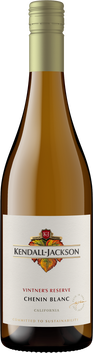
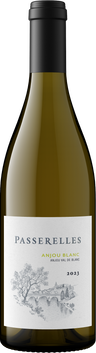
Chenin Blanc
Chenin Blanc is one of the unsung heroes of age-worthy white wines. With high acidity and often a touch of sweetness, it has the structure to develop for decades, rewarding patience with incredible complexity and layered flavors.
Where It Shines: The Loire Valley in France is the classic home, producing both dry and sweet styles that age beautifully. In California, especially regions like Clarksburg and Napa, winemakers are crafting Chenin Blancs that also have excellent aging potential. South Africa is another stronghold for this versatile varietal, often producing wines that can evolve for 20 years or more.
What Happens with Age: Young Chenin Blanc tends to show bright apple, pear, and citrus notes. Over time, these evolve into honey, quince, dried apricot, and nutty flavors, while mineral undertones emerge. The acidity keeps the wine fresh, and older bottles often reveal a layered, almost creamy texture that makes every sip intriguing.
Aging Timeline: Quality Chenin Blancs can age anywhere from 10 to 30 years depending on style and producer. Sweet versions from the Loire, like Vouvray Moelleux, can continue developing for decades, while dry Chenins can gain remarkable elegance and complexity over time.
Fun Fact: Chenin Blanc is sometimes called the "chameleon" of white wines because of its versatility. It can be sparkling, dry, or sweet, but when cellared properly, it consistently delivers a depth and character that few other whites can match.

Tips for Storing Wines to Age Successfully
Even the most age-worthy bottle won’t reach its potential if it is stored incorrectly. A few simple tips can make all the difference:
- Keep it cool: Aim for a steady temperature around 55 degrees Fahrenheit. Fluctuations can stress the wine and speed up aging.
- Control humidity: Around 70 percent humidity prevents corks from drying out while keeping the wine safe from mold.
- Keep it dark: Light, especially sunlight, can damage wine and cause unpleasant flavors to develop.
- Lay bottles on their side: This keeps the cork moist, helping the wine stay sealed and preventing oxidation.
- Avoid vibrations: Constant movement can disturb sediments and slow down proper aging.
Even a wine that is designed to age will benefit from a little care and patience. Think of your cellar as a spa for bottles, letting them develop at their own pace.

Start Building a Cellar Worth Celebrating
Aging wine is one of the most rewarding adventures in the world of wine. Watching a bottle transform from bright and youthful to layered, complex, and silky is like seeing magic unfold in a glass. From bold Cabernet Sauvignon to delicate Riesling, the right wines can reward patience with flavors and aromas that are impossible to experience when young.
If you’re ready to start—or expand—your own cellar, yourwinestore.com is stocked with an incredible selection of age-worthy wines. Whether you’re hunting for a Napa Cabernet, a Burgundy Pinot Noir, or a crisp California Chardonnay, you’ll find bottles built to evolve beautifully over time. Every bottle is carefully chosen to give you the best chance at that unforgettable moment when a perfectly aged wine hits your glass.
Patience pays off in wine, and the thrill of opening a bottle at its peak is worth every year it waits in your cellar. Explore the collection now!